
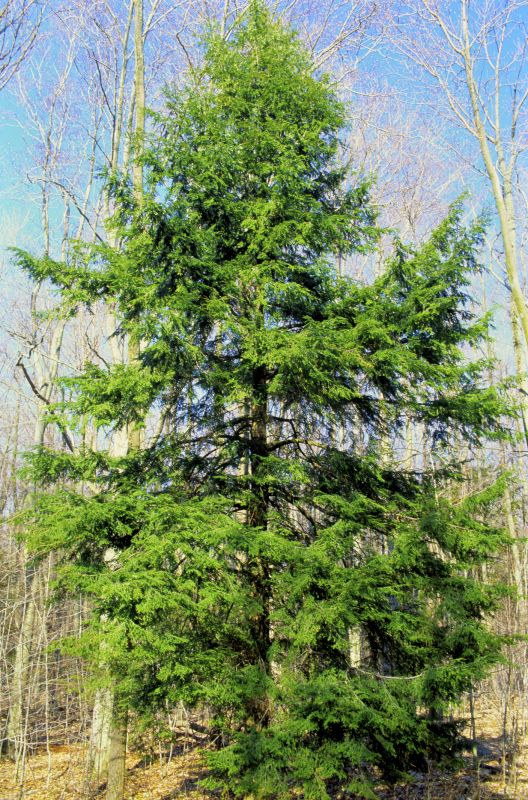
Hemlock Removal in Honolulu, HI
Hemlock removal services involve the careful elimination of hemlock trees from residential properties, often to improve safety, prevent disease spread, or maintain landscape aesthetics. These projects can range from removing a single problematic tree to clearing multiple hemlocks that have become overgrown or pose a risk to structures and nearby plants. Property owners typically seek this service when trees show signs of decay, disease, or damage, or when they need to create space for new landscaping or construction projects.
Before requesting hemlock removal, property owners should consider the size and location of the trees, as well as any potential impact on surrounding vegetation or structures. Understanding the reasons for removal, such as safety concerns or disease control, helps ensure the right approach is taken. Additionally, knowing whether permits are required or if there are any local regulations related to tree removal can streamline the process and avoid complications.
Many property owners in Honolulu, HI look into Hemlock Removal for repairs, replacements, upgrades, and appearance-related improvements.
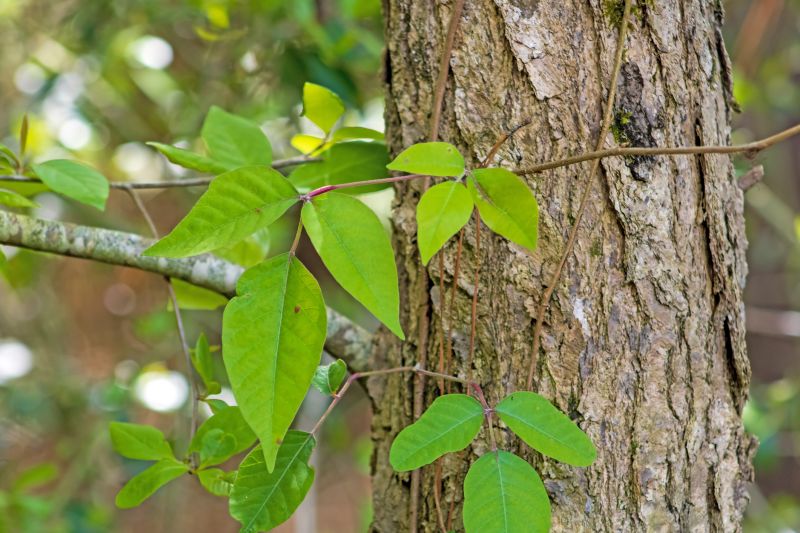
Reasons For Hemlock Removal
Removing hemlocks can improve safety and prevent tree damage on residential properties.
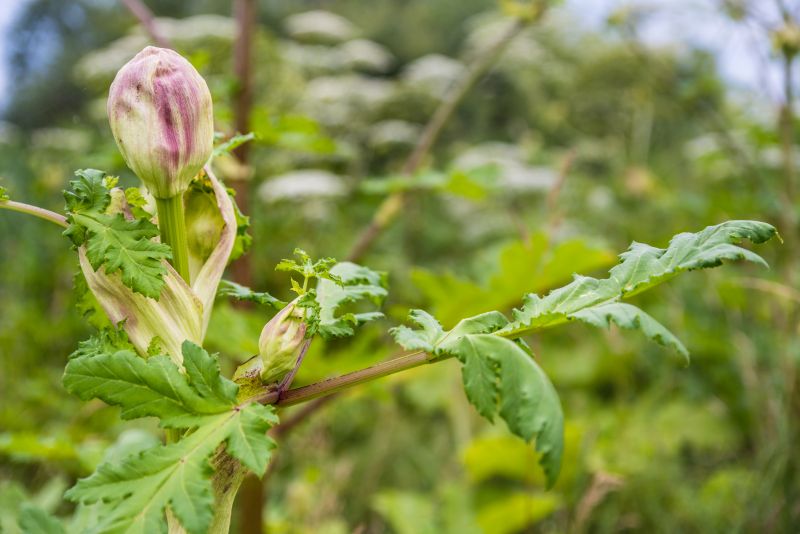
What To Expect During Removal
Professional services include careful cutting, debris cleanup, and site restoration for your peace of mind.
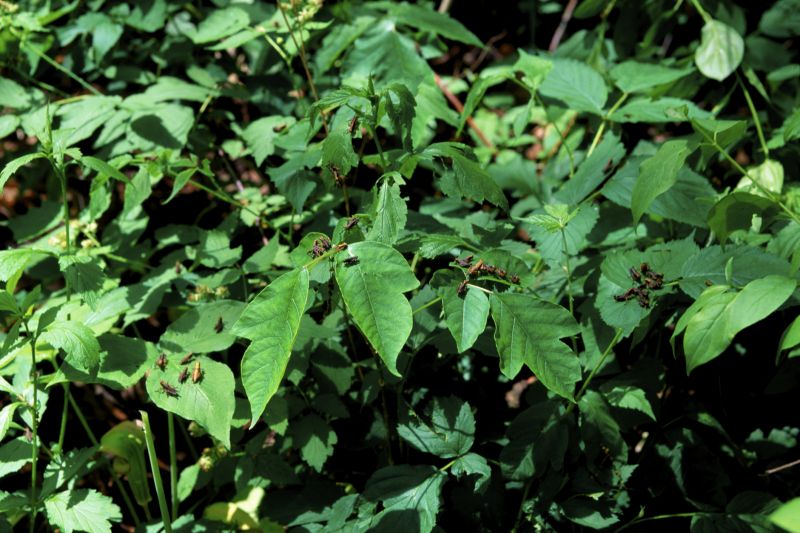
Property Benefits Of Hemlock Removal
Clearing hemlocks enhances landscape appearance and allows for new planting or construction projects.
Hemlock Removal in Honolulu, HI
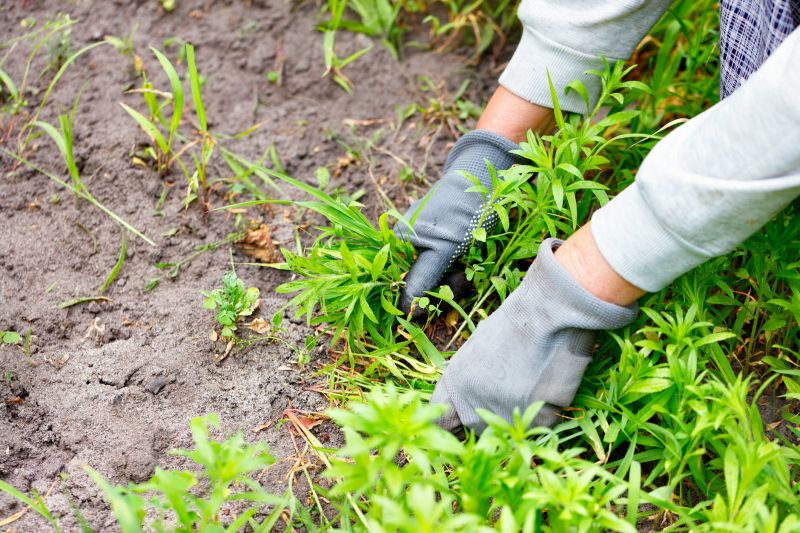
Hemlock removal services involve the careful elimination of hemlock trees from residential properties, often to improve safety, prevent disease spread, or maintain landscape aesthetics. These projects can range from removing a single problematic tree to clearing multiple hemlocks that have become overgrown or pose a risk to structures and nearby plants. Property owners typically seek this service when trees show signs of decay, disease, or damage, or when they need to create space for new landscaping or construction projects.
Before requesting hemlock removal, property owners should consider the size and location of the trees, as well as any potential impact on surrounding vegetation or structures. Understanding the reasons for removal, such as safety concerns or disease control, helps ensure the right approach is taken. Additionally, knowing whether permits are required or if there are any local regulations related to tree removal can streamline the process and avoid complications.
Many property owners in Honolulu, HI look into Hemlock Removal for repairs, replacements, upgrades, and appearance-related improvements.
Common Hemlock Removal Jobs
Hemlock Removal - Safely eliminates invasive hemlock trees to protect native landscapes.
Tree Removal - Carefully removes mature hemlocks that threaten property safety or health.
Stump Grinding - Clears remaining stumps after tree removal for a clean yard appearance.
Invasive Species Control - Targets and removes hemlocks to prevent spread and promote local flora.
Land Clearing - Prepares properties by removing dense hemlock stands for development or landscaping.
Tree Preservation - Offers selective removal to maintain healthy trees and optimize property value.
Hemlock Removal Questions
Why remove a Hemlock tree? Removing a Hemlock can prevent disease spread, reduce safety hazards, or improve landscape appearance.
What signs indicate Hemlock removal is needed? Symptoms like browning needles, dieback, or structural instability suggest removal may be necessary.
Is Hemlock removal suitable for small or large trees? Removal services can be performed on trees of various sizes, depending on the property's needs.
What should property owners consider before removal? It's important to evaluate the tree’s location, potential impact on surroundings, and landscape goals.
Request Hemlock Removal in Honolulu, HI
Use the quote form on this page to share the basics of your project and request more information for the type of work you need.

